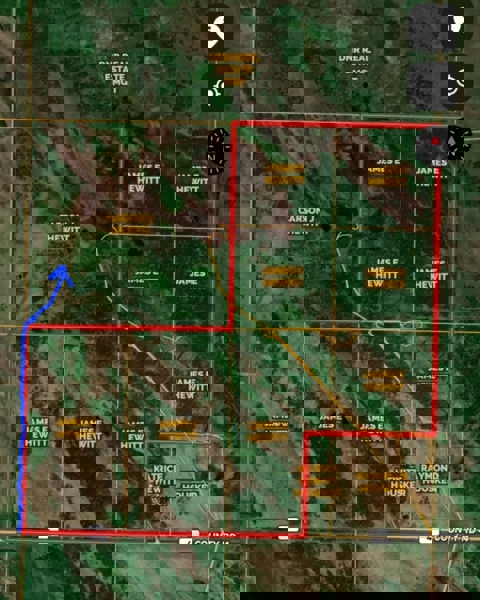
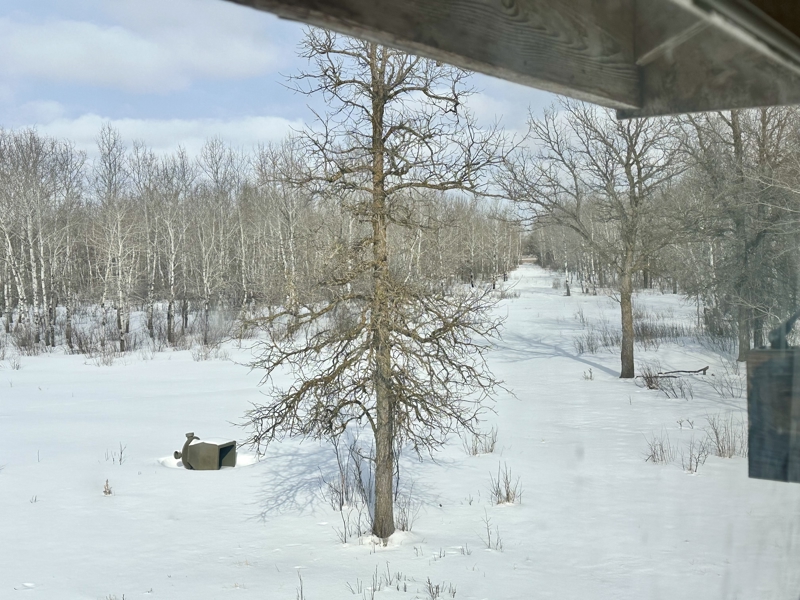
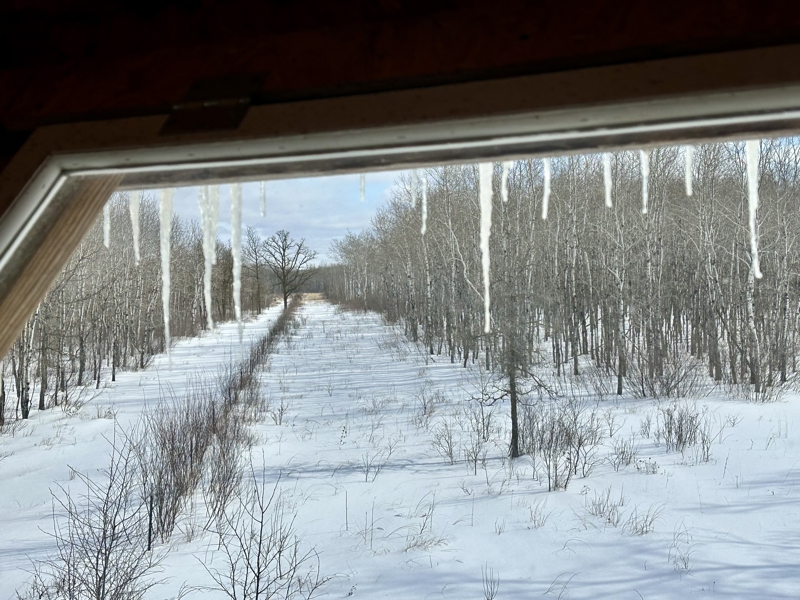
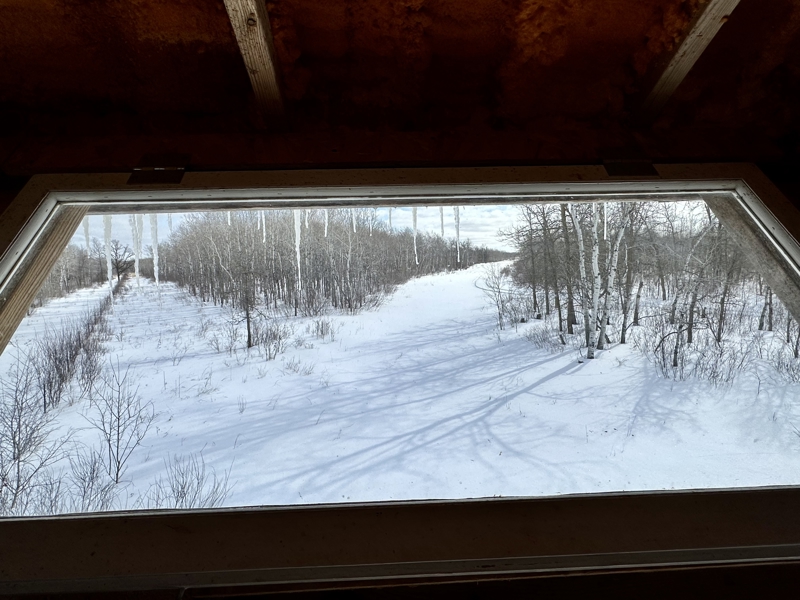
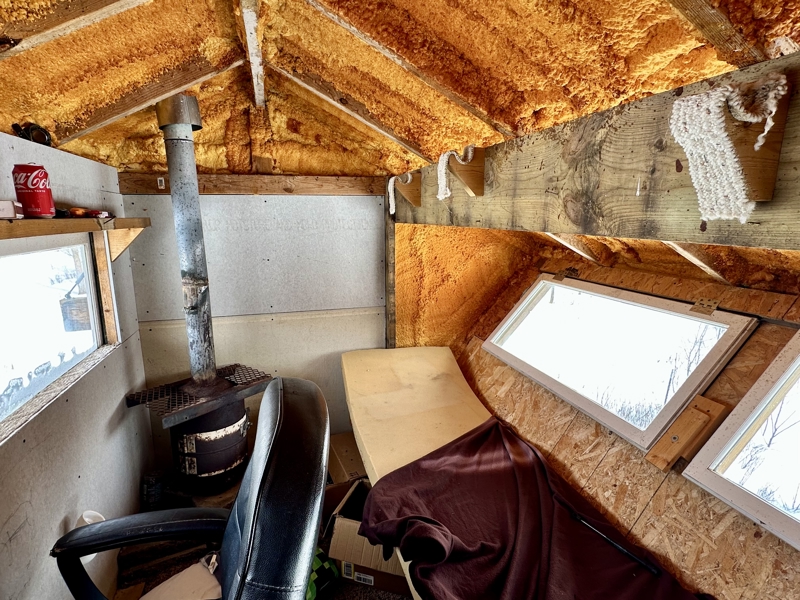
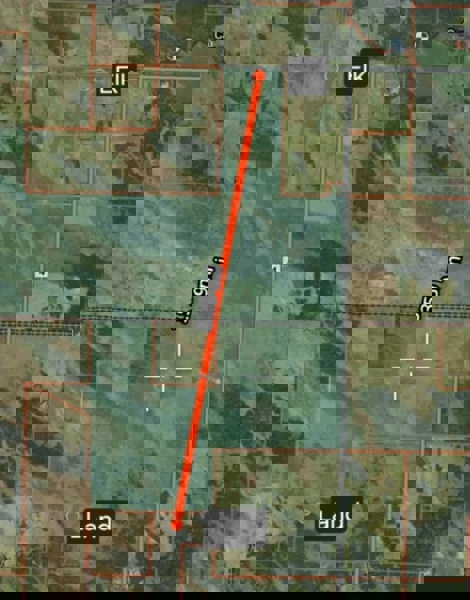
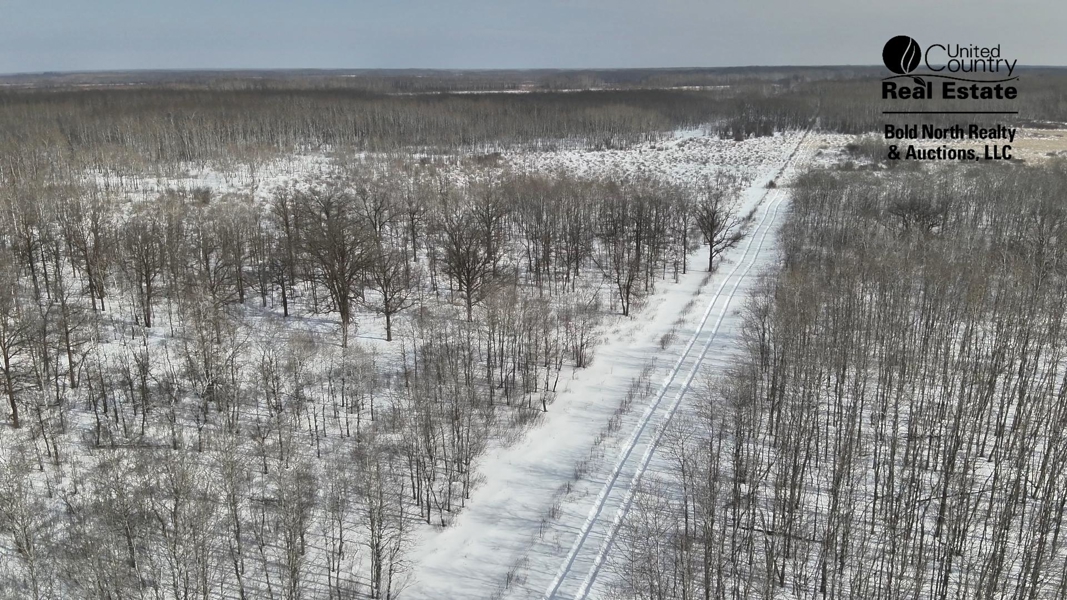
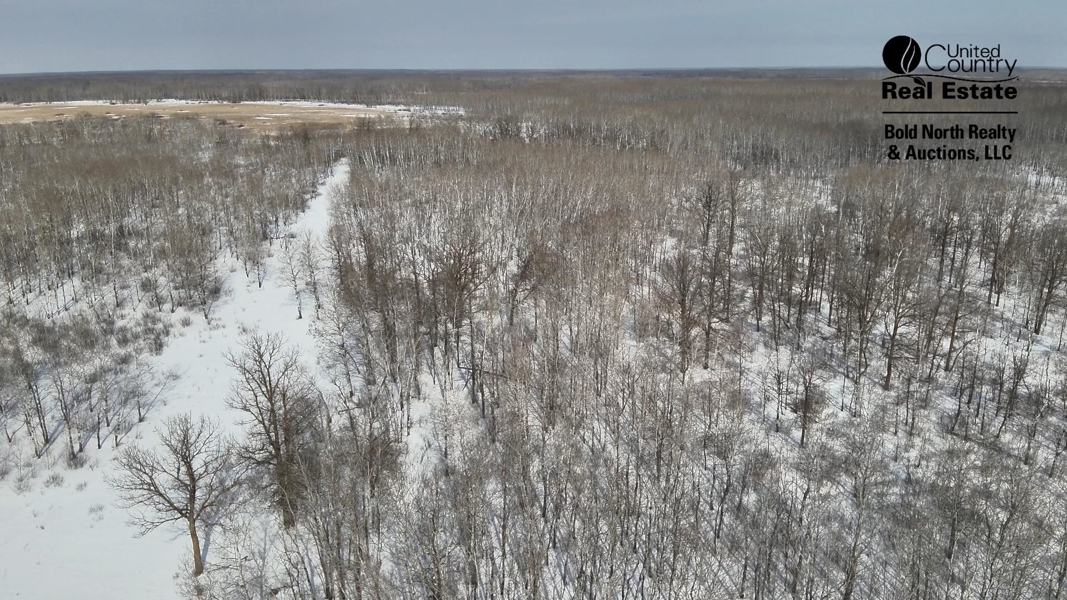
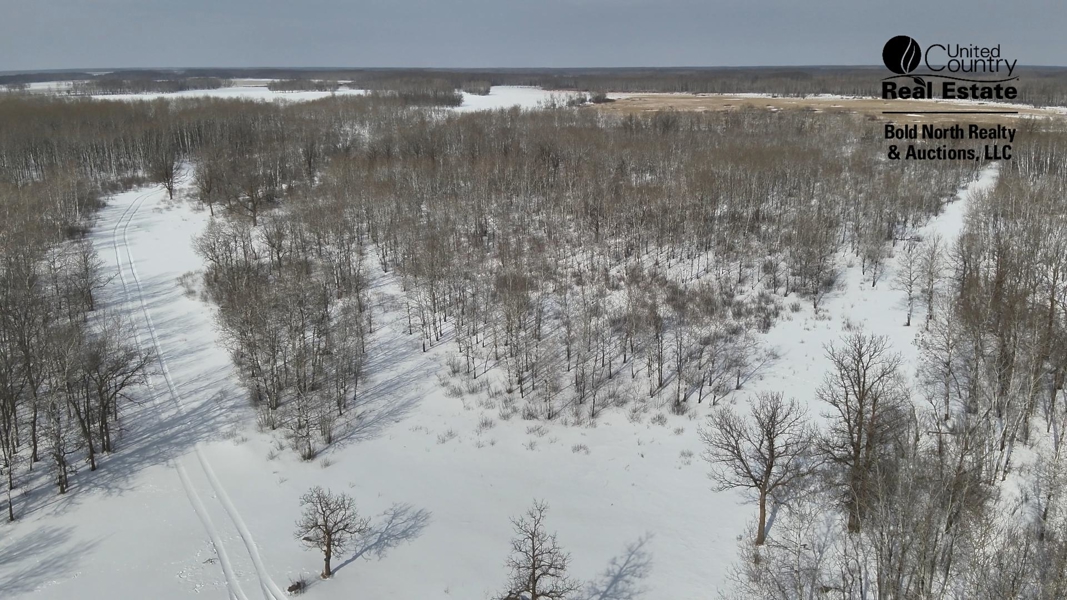
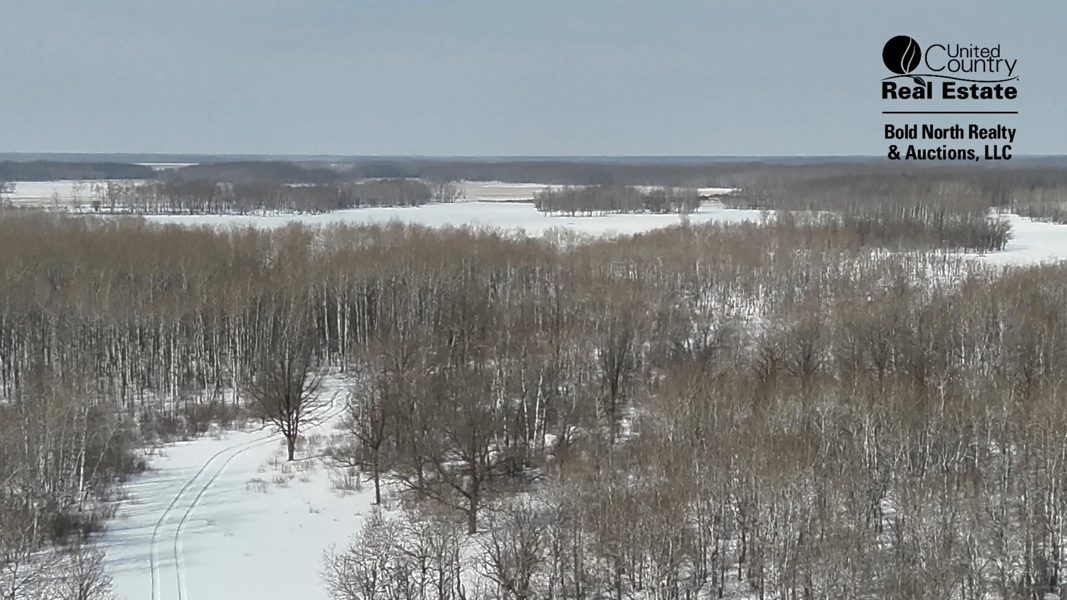
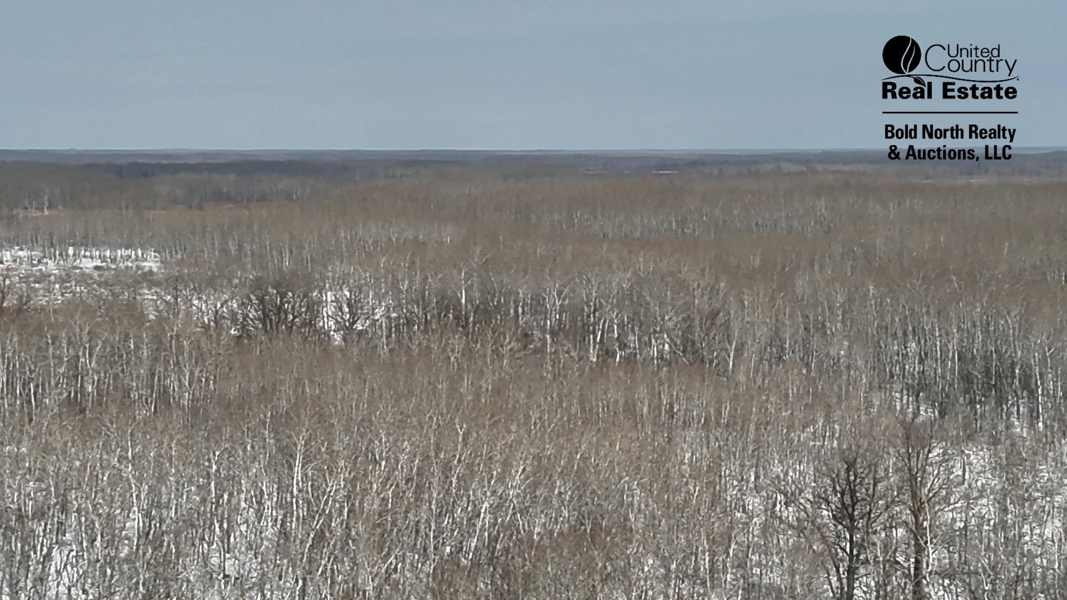
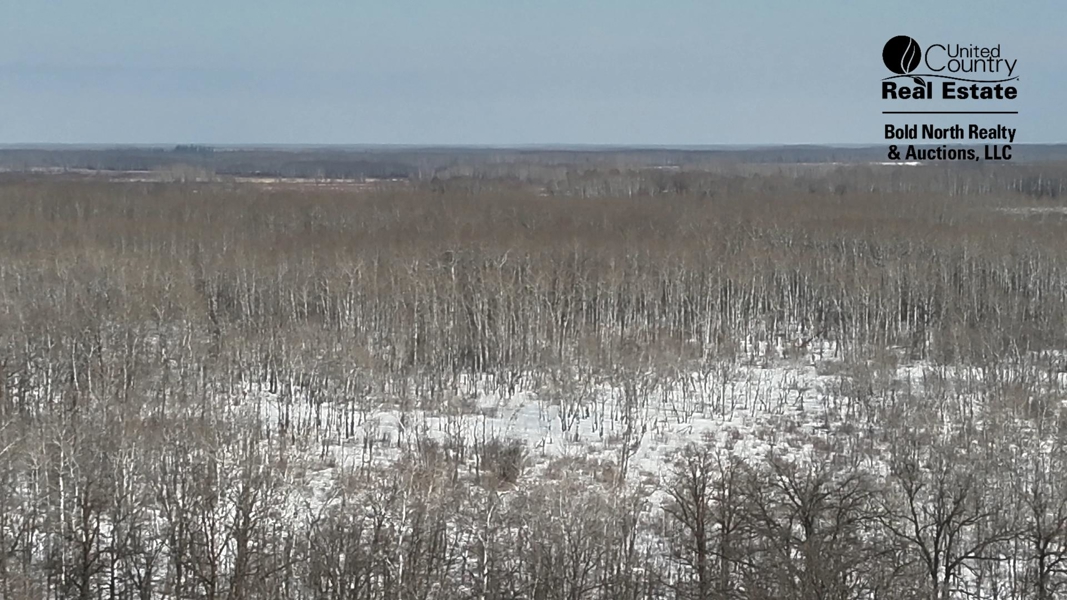
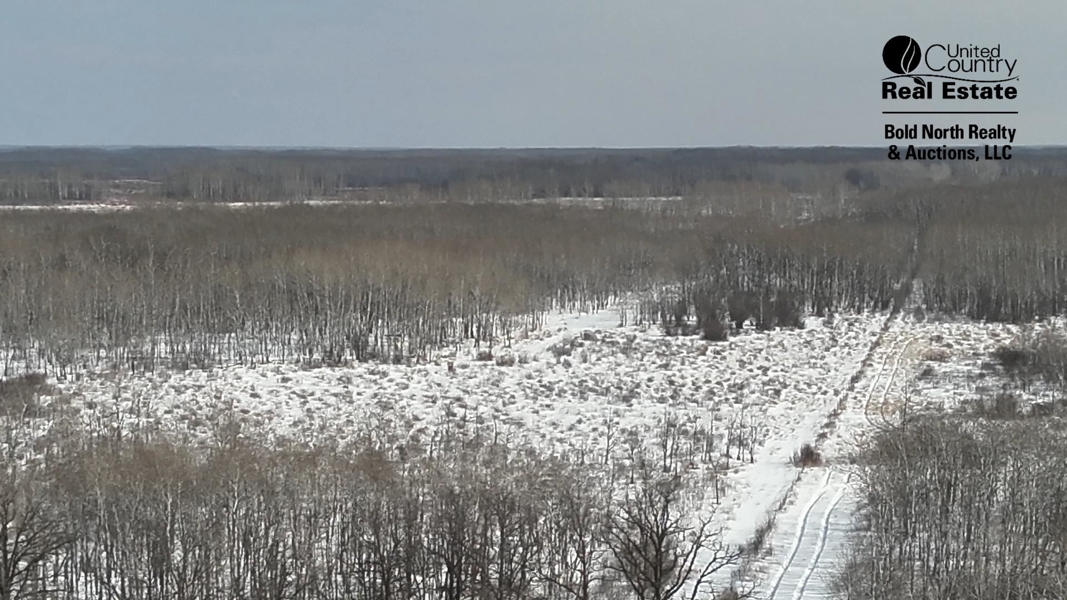
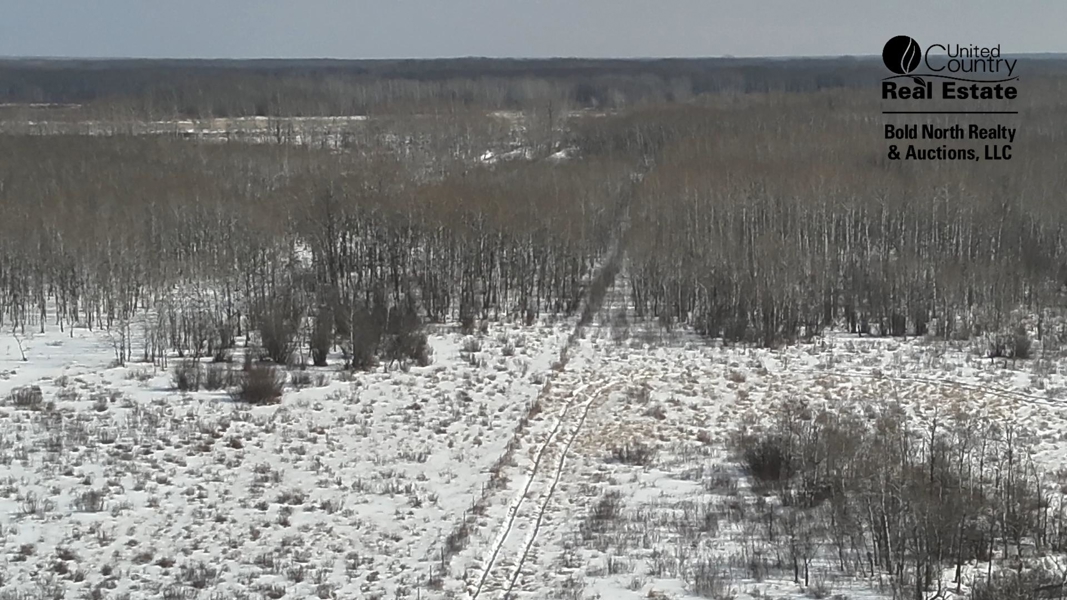
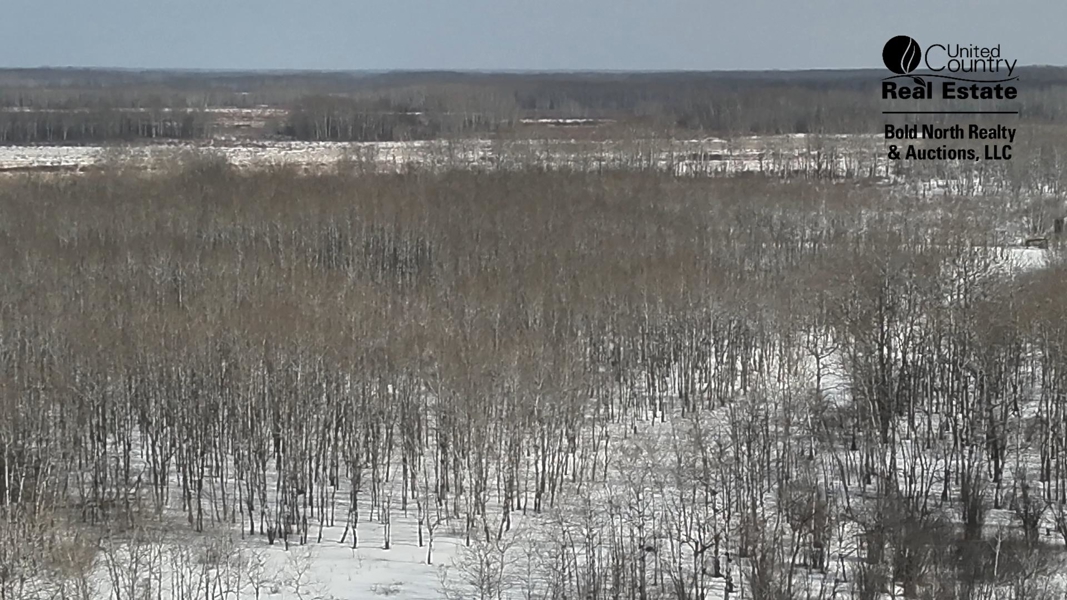
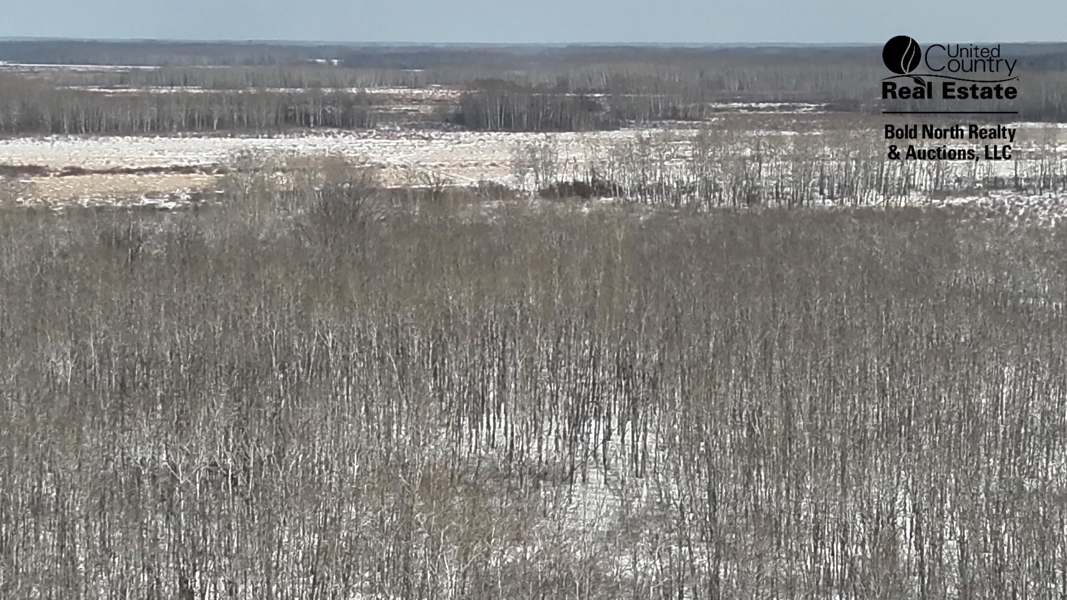
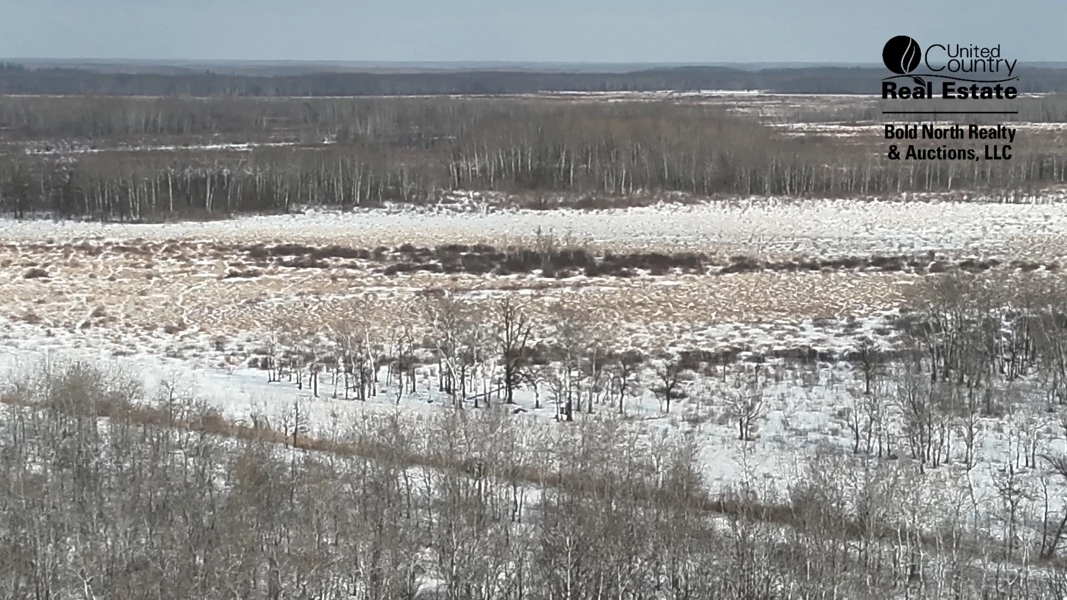
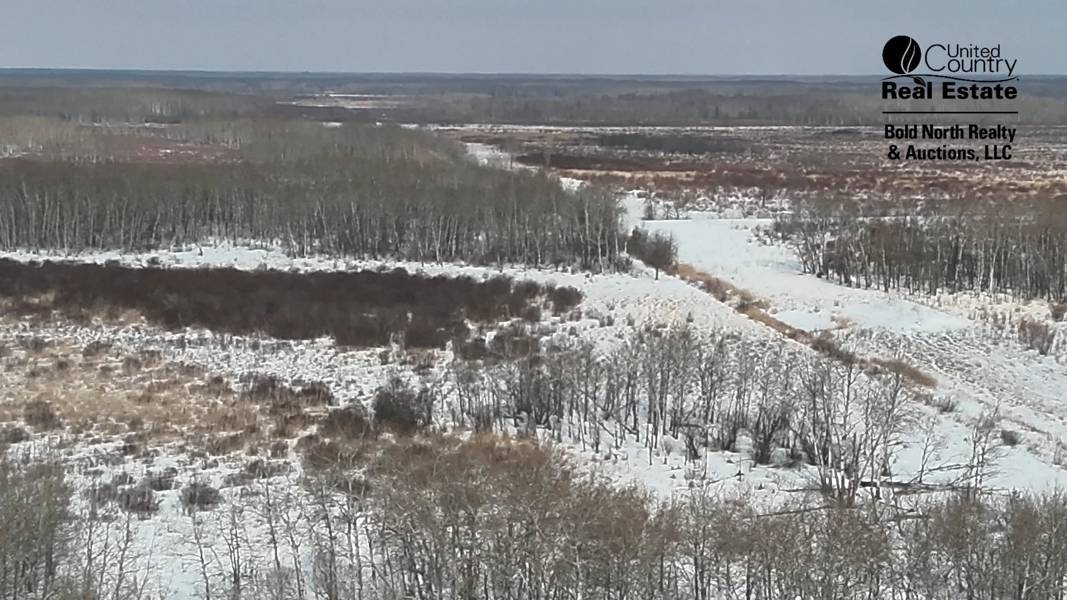
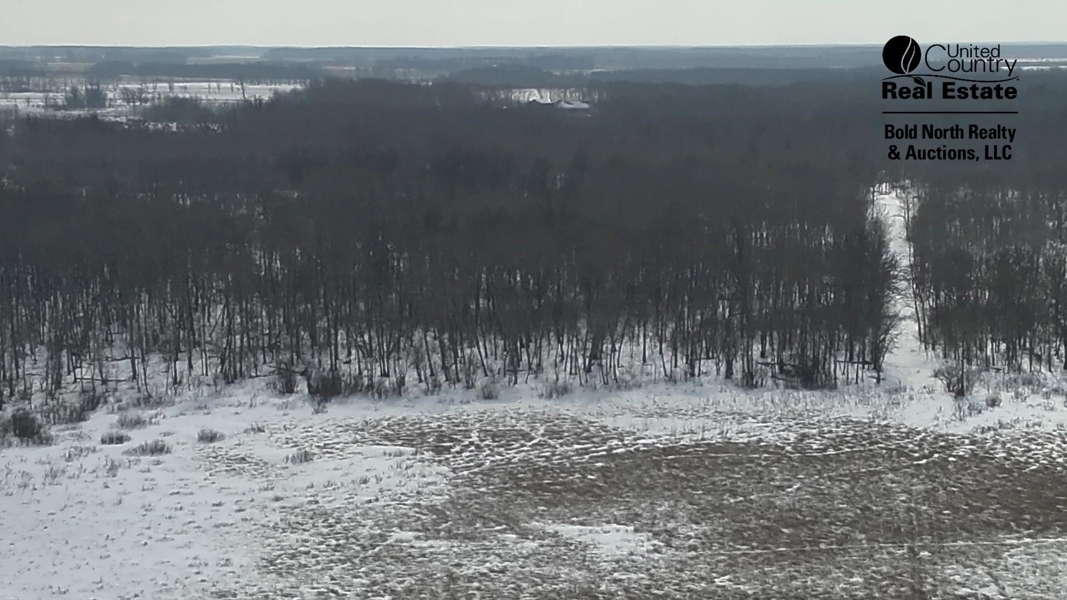
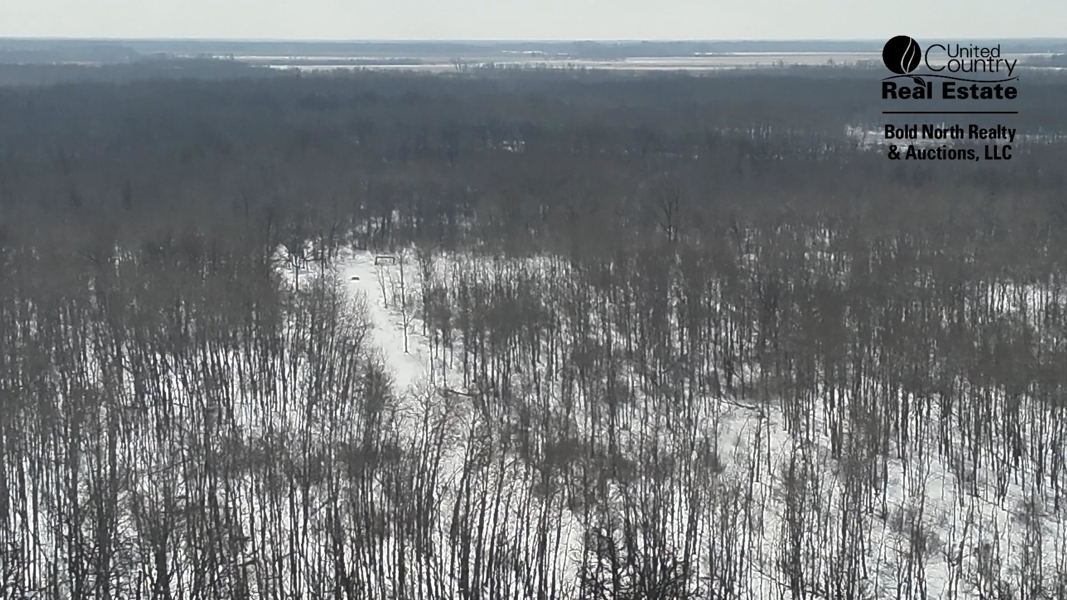
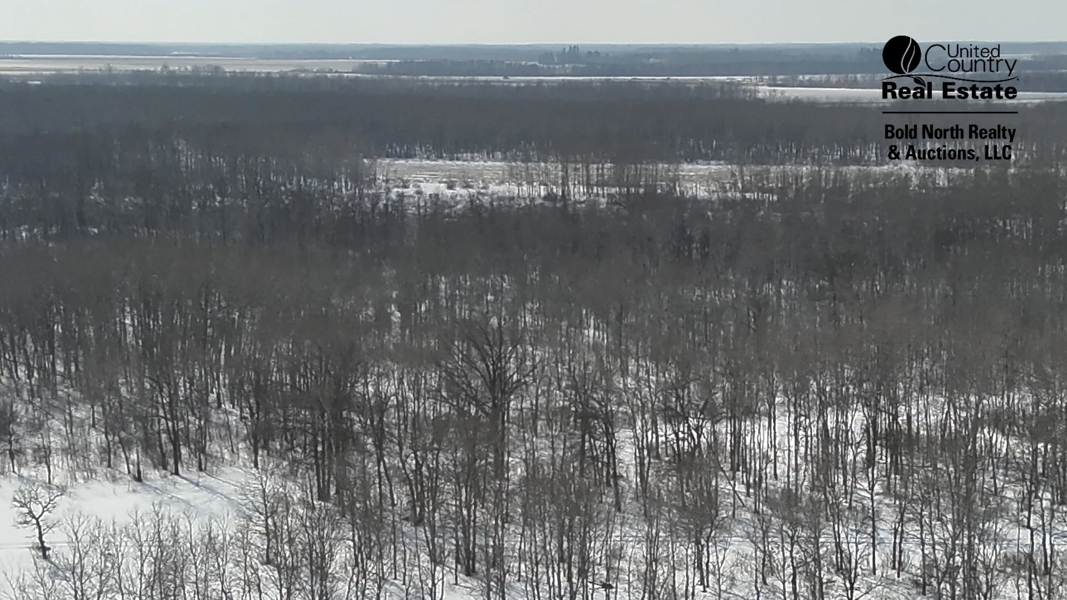
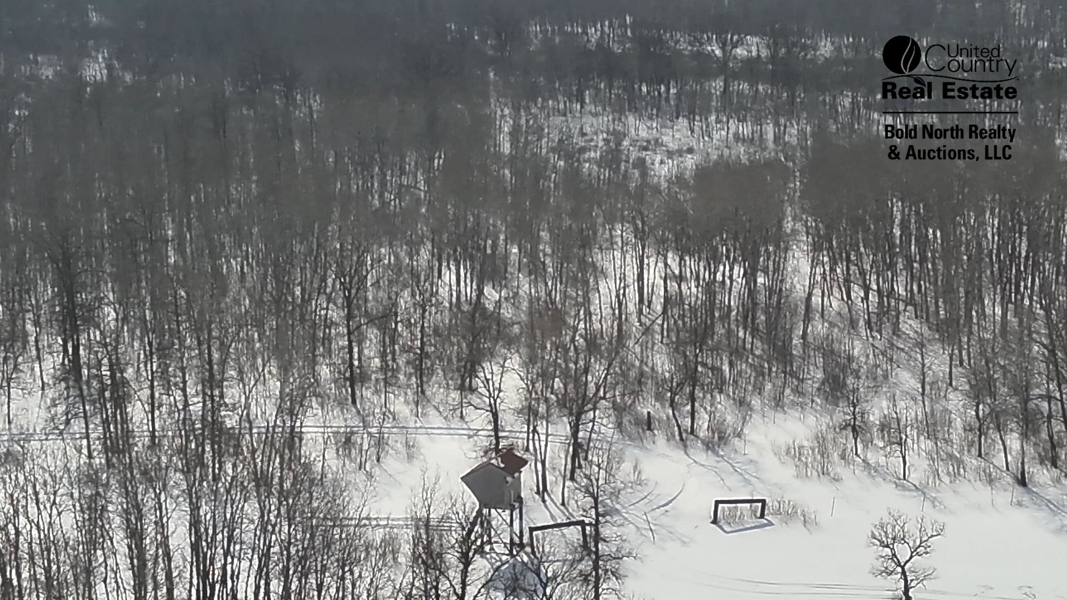
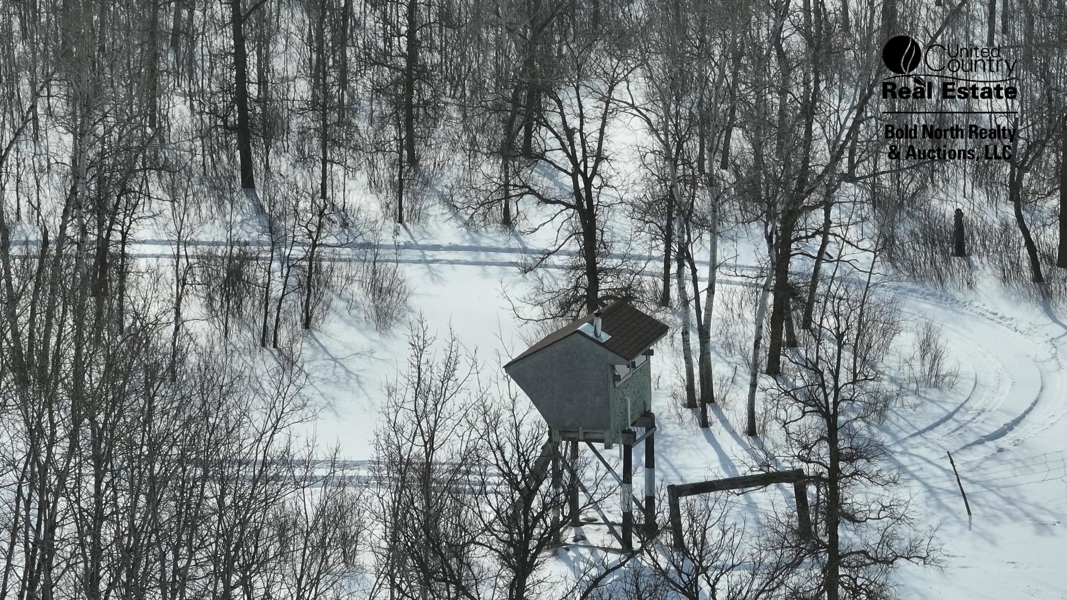
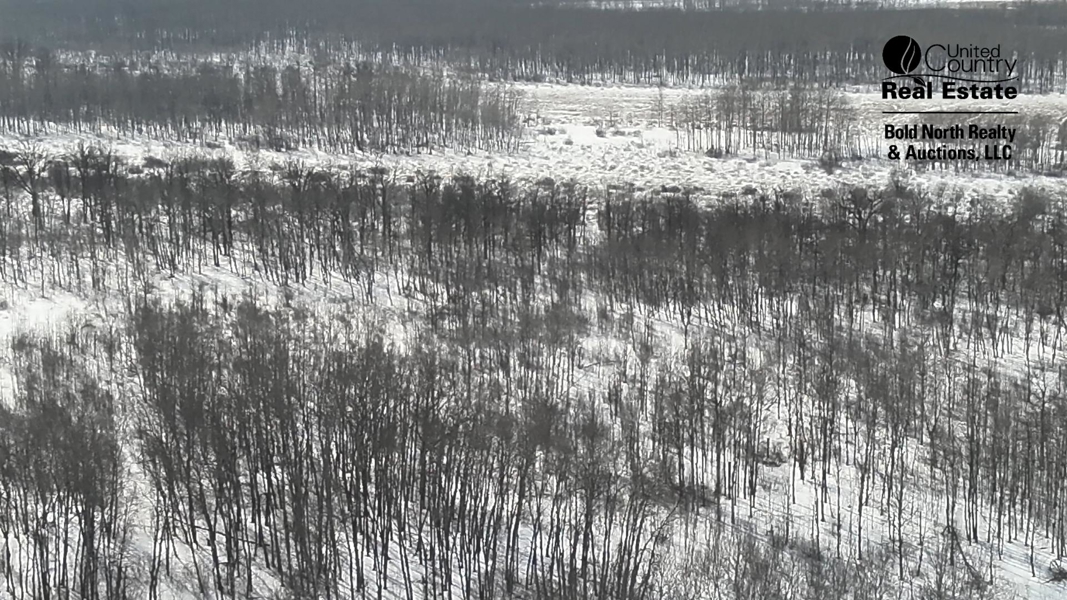
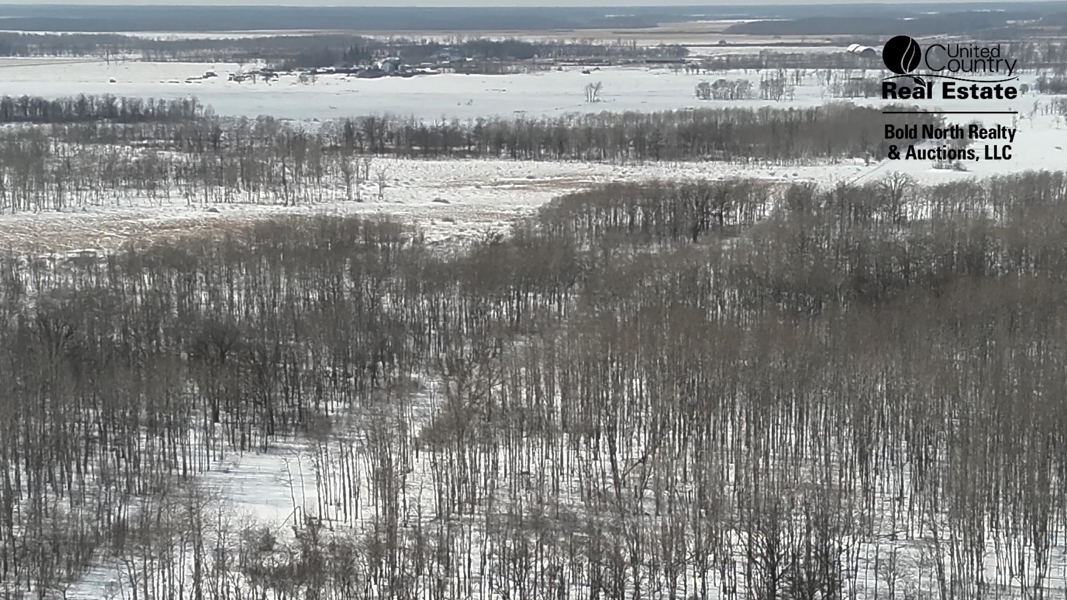
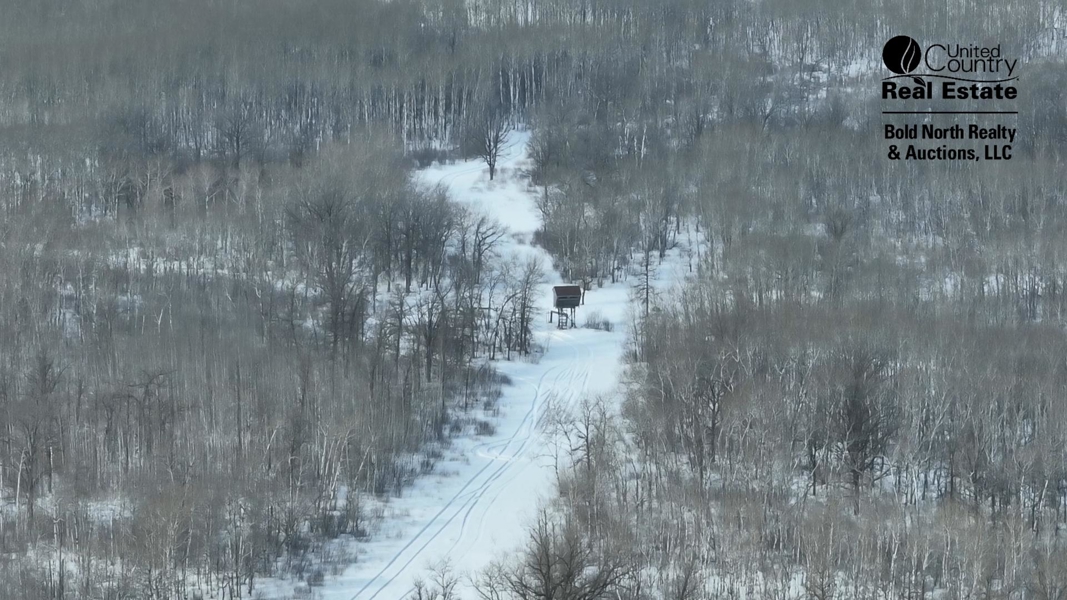
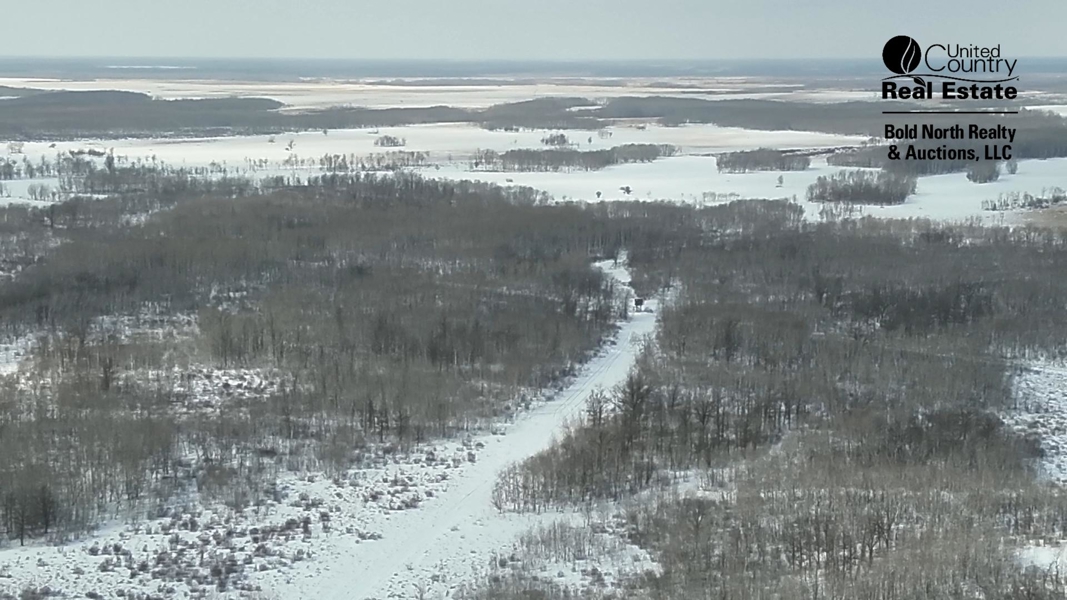
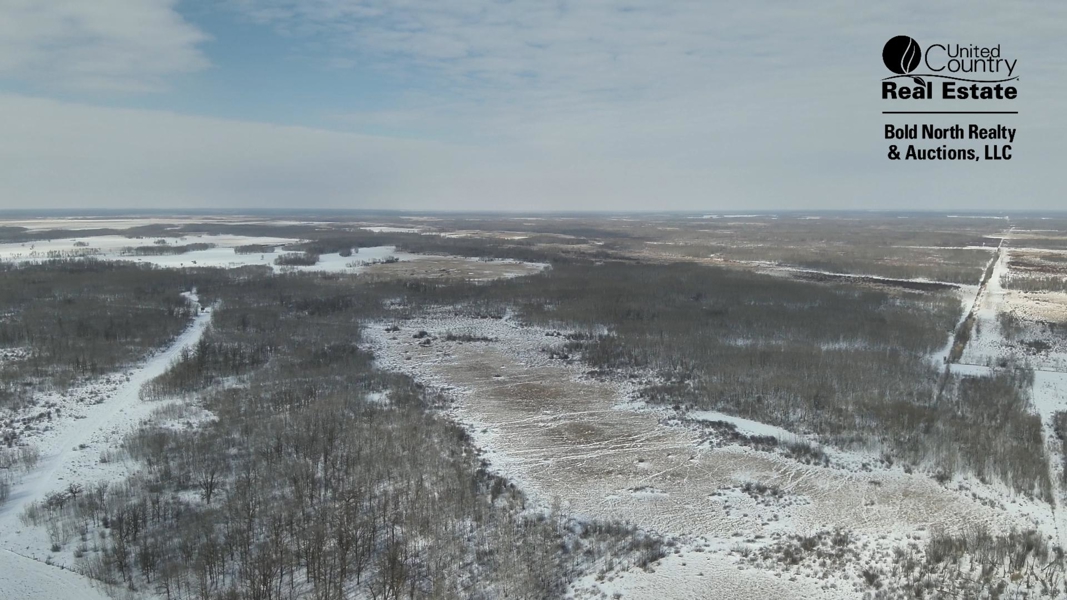
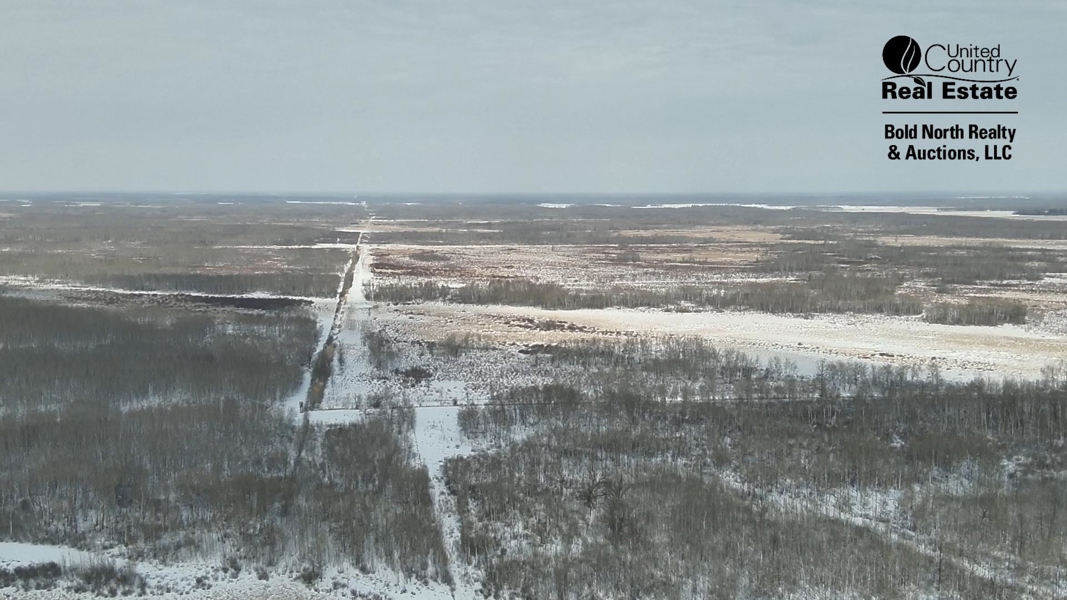
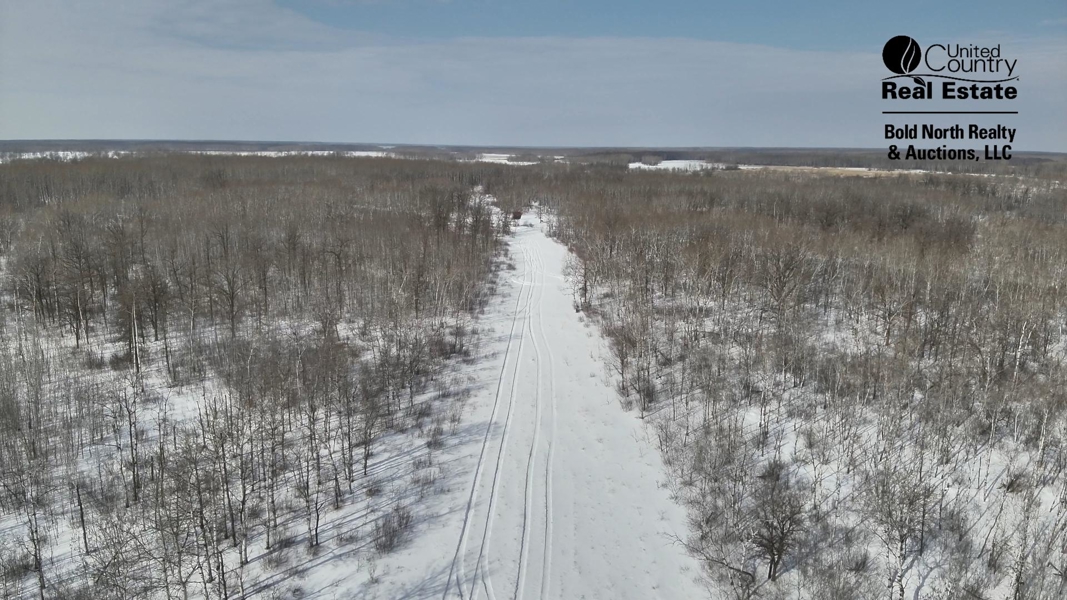
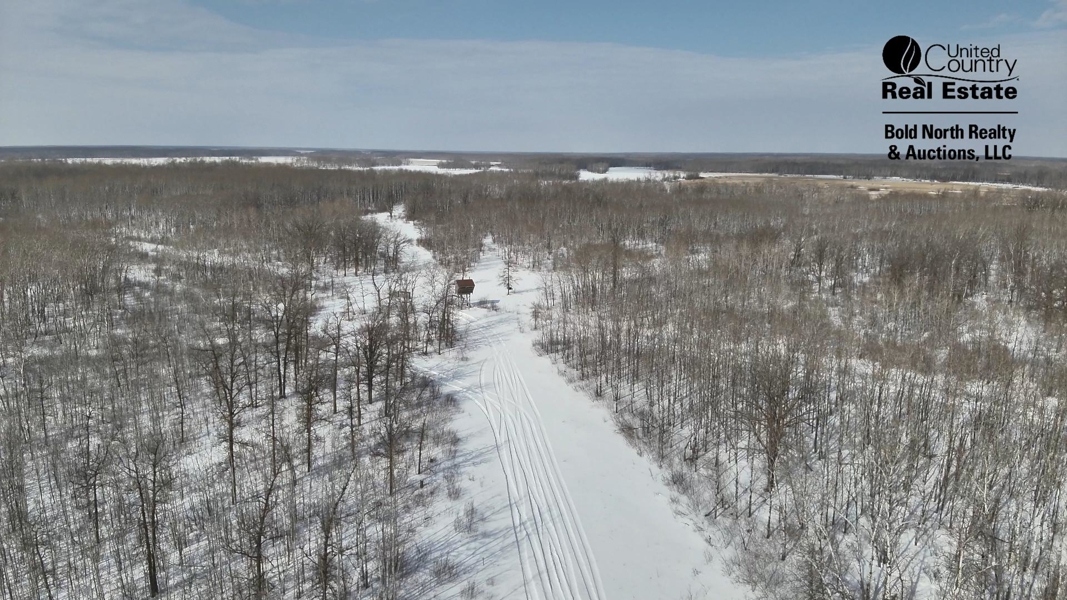
Located approximately 15 miles northeast of Lancaster, this 417-acre tract sits in the heart of Northwest Minnesota’s aspen parkland transition zone — a region known for producing mature whitetails year after year.
What separates this property from many large hunting tracts is simple:
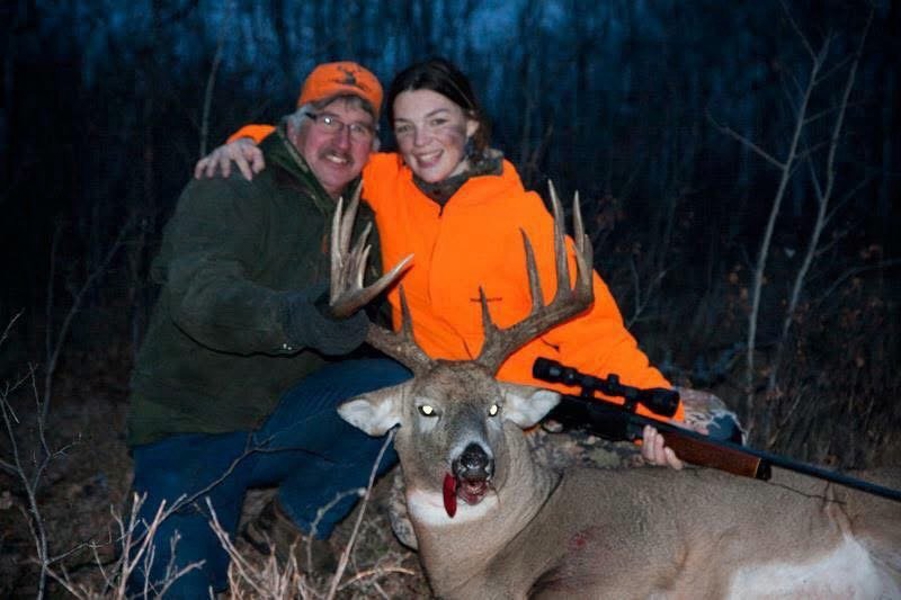
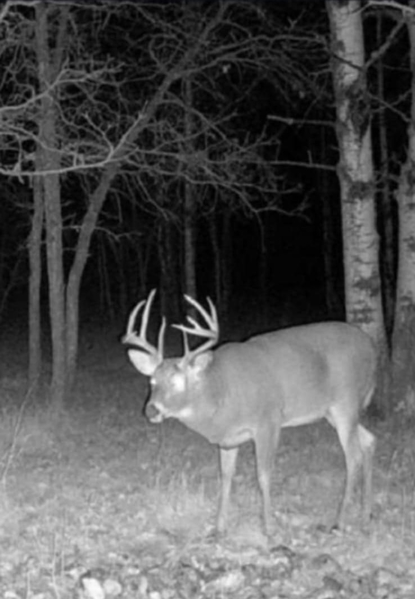
It is already producing big bucks without food plots, hinge cutting, or a formal habitat development plan in place.
The structure is already here.
With the right management strategy, this property has the ability to transition from exceptional to truly elite within just a few seasons.
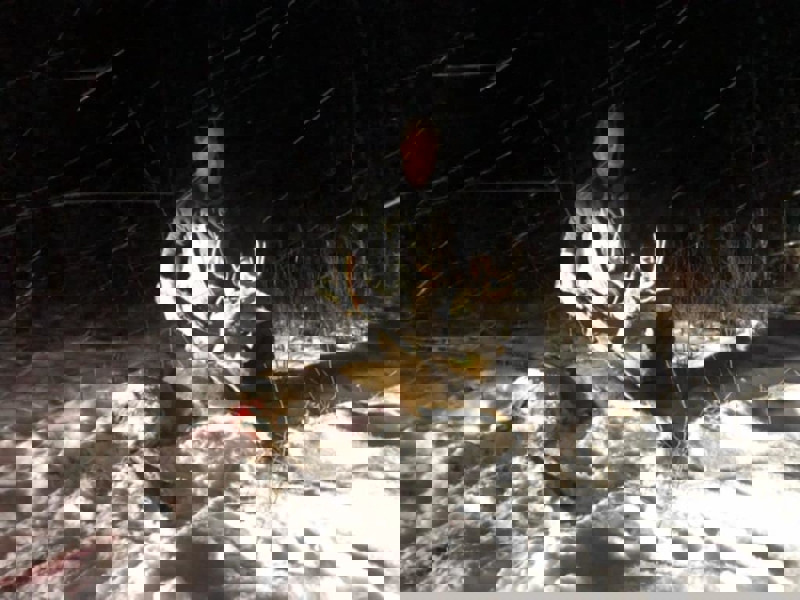
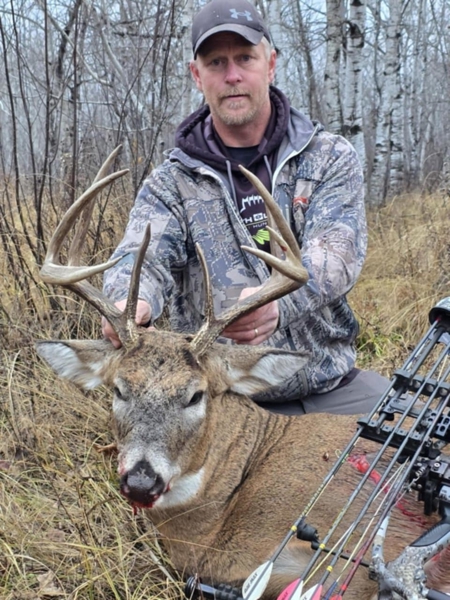
This land consistently produces mature whitetails under its current condition. There has been no intensive food plot program or engineered habitat system installed — yet the deer are here.
That tells you something important.
The natural blend of cover, edge, and surrounding landscape is already functioning at a high level.
The 417 acres offer a rare and balanced mix of habitat types:
Approximately 50% open ground currently used as cattle pasture
Approximately 40% aspen mix providing natural browse and bedding cover
Approximately 35% marsh creating security and low-pressure sanctuary
Approximately 25% open high ground offering stand sites and development flexibility
(Overlap exists between habitat types, creating layered transition zones and strong edge density.)
Aspen pockets, willow edges, and marsh bedding areas combine to create the kind of security cover mature deer require — especially after surrounding crops are harvested and pressure increases elsewhere.
This is not an isolated timber block.
It is an interwoven habitat system.
Neighboring farms in close proximity add another important layer of value.
Surrounding agricultural ground provides seasonal nutrition and natural deer movement patterns between food sources and secure bedding cover. This reduces the need for heavy food plot investment while still allowing tremendous upside if implemented strategically.
The property functions as part of a larger wildlife ecosystem rather than standing alone.
This tract directly adjoins thousands of acres of huntable land managed by the Minnesota Department of Natural Resources.
While publicly accessible, much of this ground is not easily reached by the general hunting public due to terrain and access limitations.
This creates a major strategic advantage:
Expanded effective habitat footprint
Natural buck dispersal
Additional security buffer
Reduced concentrated hunting pressure
It effectively hunts larger than its deeded acreage.
A significant differentiator is that deer feeding is legal in Kittson County.
In neighboring Roseau County, feeding is not permitted.
For serious whitetail managers, this matters.
The ability to legally supplement feed allows for:
Concentrated late-season holding power
Shortened travel distances
More predictable movement
Enhanced age-structure management
On a property that is already producing mature bucks without improvements, the management leverage here is substantial.
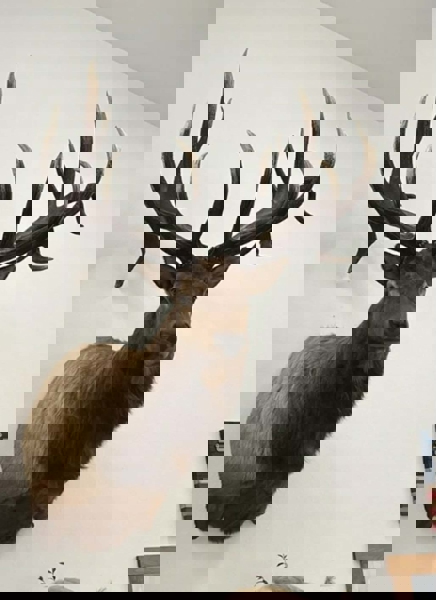
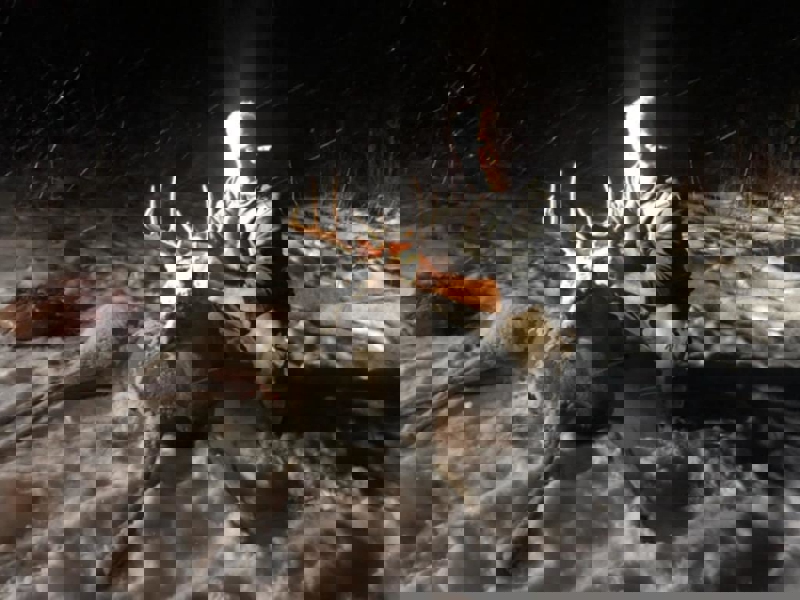
This property lies in close proximity to the established range of the Minnesota Elk Herd.
A record bull elk was reportedly recovered just two miles from this tract.
With intentional habitat planning and food strategy, the potential to attract elk onto this property is realistic — a rare opportunity in Northwest Minnesota.
Few hunting properties offer legitimate elk upside in addition to strong whitetail production.
The property is accessed via a well-maintained gravel county road, providing reliable year-round entry.
Unlike many large recreational tracts, this parcel already has:
Natural security cover
Strong edge structure
Public land adjacency
Agricultural influence
Legal feeding flexibility
The framework is in place.
It simply needs to be taken to the next level.
This area of Northwest Minnesota continues to offer some of the strongest per-acre value in the state when compared to southern agricultural markets and central Minnesota recreational corridors.
Finding 400+ contiguous acres with:
Proven mature buck production
Direct public land adjacency
Legal feeding flexibility
Elk proximity
Gravel road access
Strong surrounding agricultural influence
…at a competitive per-acre price point is increasingly rare.
This is not simply a hunting property.
It is a scalable wildlife investment positioned for both immediate enjoyment and long-term land value stability.